World Building Isn’t Just Storytelling. It’s Infrastructure.
Something built to last has to have a business side to it.
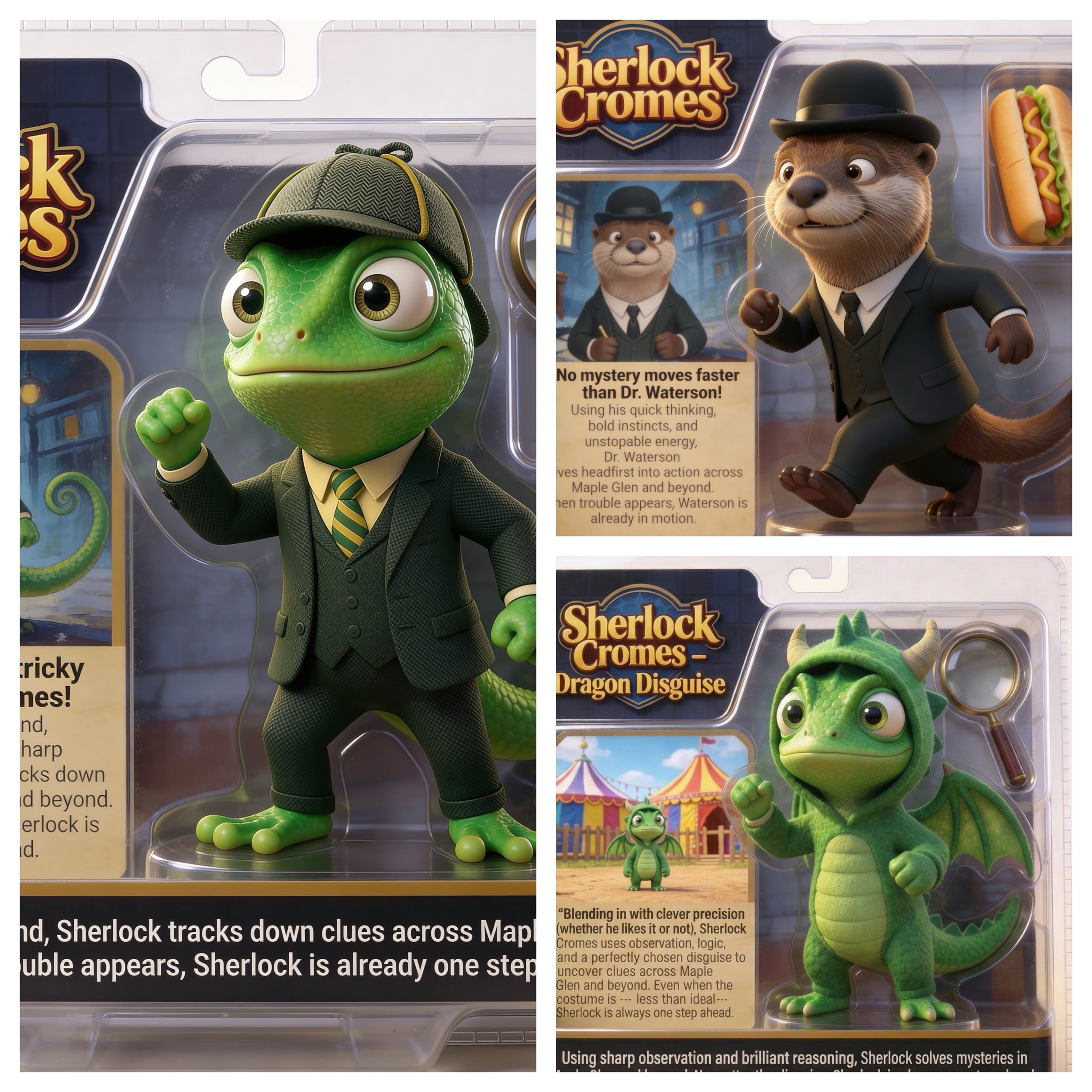
The most enduring creative universes in history — Disney, Pixar, Marvel, Hanna-Barbera — weren’t just great stories. They were worlds with infrastructure underneath them. Characters that could live on a screen, on a shelf, in a book, in a game, in a theme park.
That infrastructure doesn’t happen by accident. It has to be intentional from the very beginning.
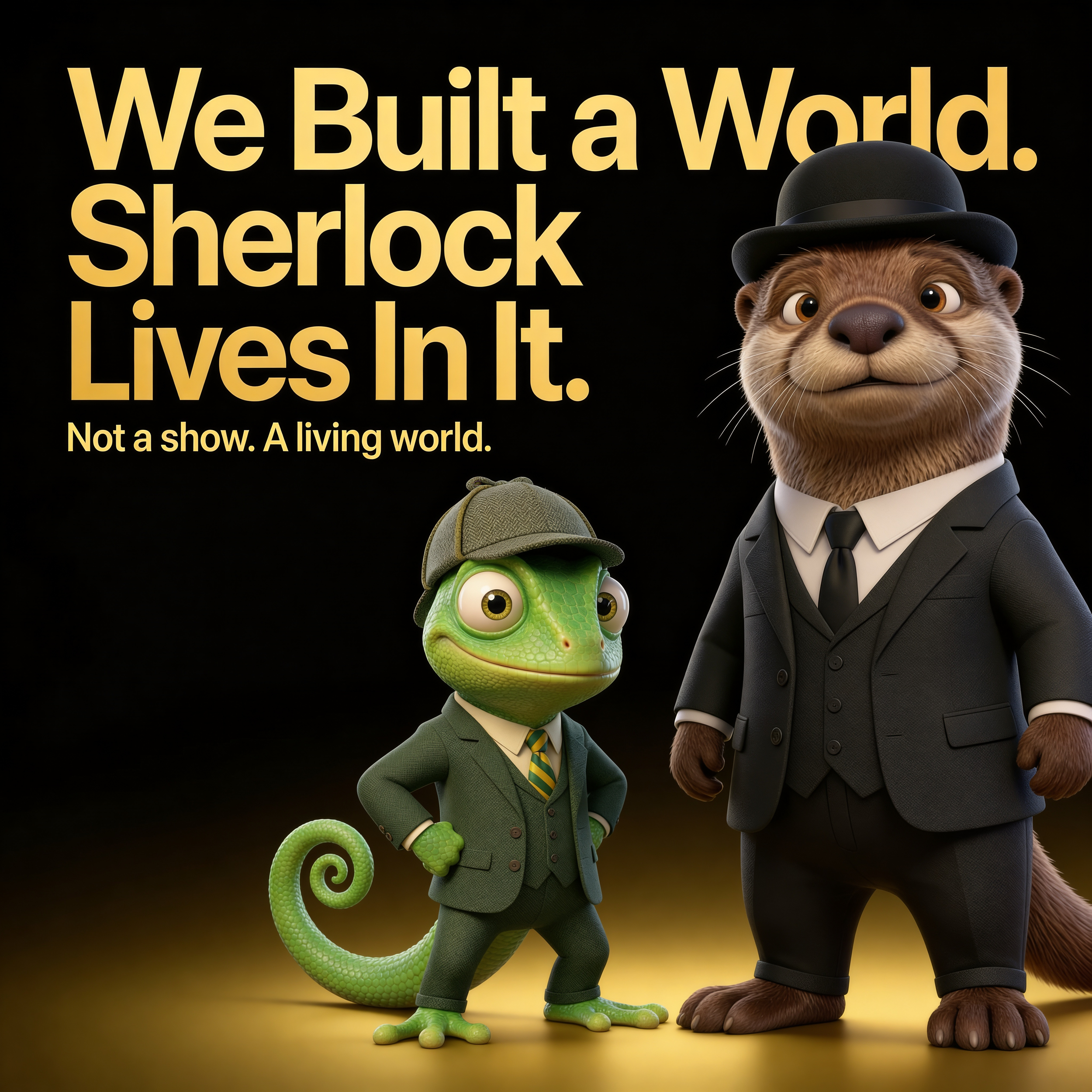
Why the Next Generation of IP Won’t Start with a Pitch Deck. A Smarter Way to Develop and Prove Stories
It’s Time to Modernize "Proof of Concept"
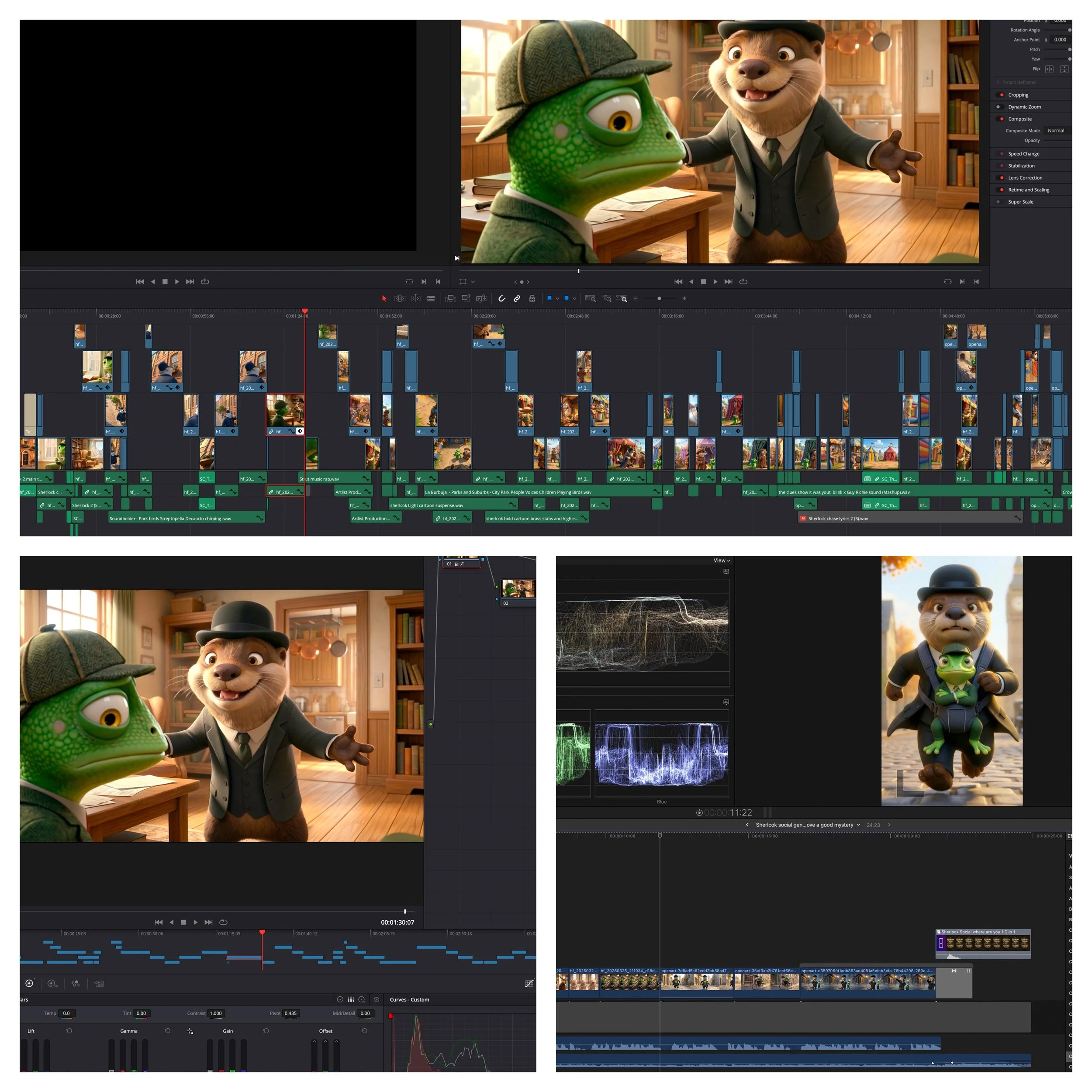
What if we allowed the idea of the animatic to evolve? What if, instead of hidden internal previews, we created external, real-world proof of concept?
I’m not talking about polished films or massive pilots. I’m talking about small, fast, repeatable story units that test clarity, engagement, and character connection in front of a real audience.
The New Model looks like this:
test → refine → validate → scale
The Bridge Between "Watch This" and "What If"
Whether it’s a character that won’t stop talking or a place we can see clearly when we close our eyes, the urge to create is a fundamental part of who we are. But for a long time, those ideas were held captive by the "The Gap." There were barriers of time, high costs, or the simple reality that our hands couldn't always draw what our minds could see.
Today, that gap is smaller than it has ever been.
The tools available to us now are like a set of master keys. Doors that once felt locked are swinging open.
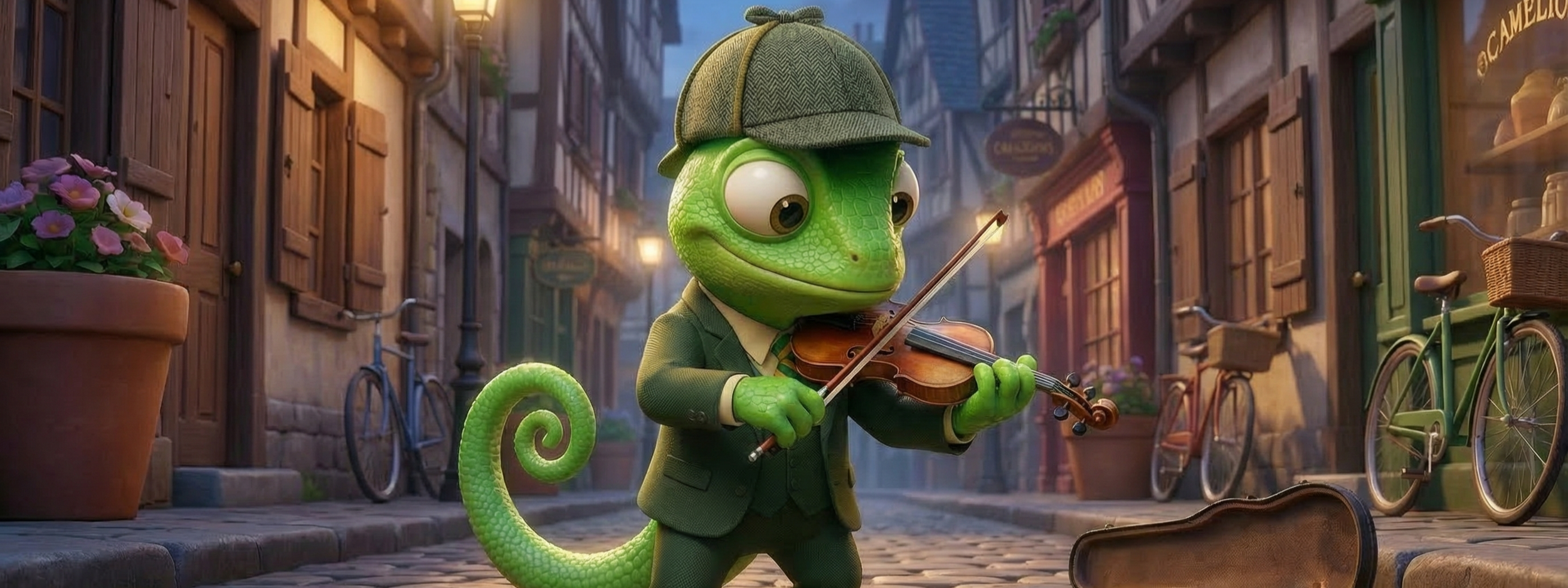
Finding the "Sherlock" Sound: Scoring Mystery for a New Generation
Think of light orchestral movements and clever, tiptoeing rhythms. We stripped away the heavy tension and the dark shadows, replacing them with a sense of wonder. We wanted to create a sound that asks a question: “Wait... what’s happening over there?” without ever making a child feel afraid to find out.
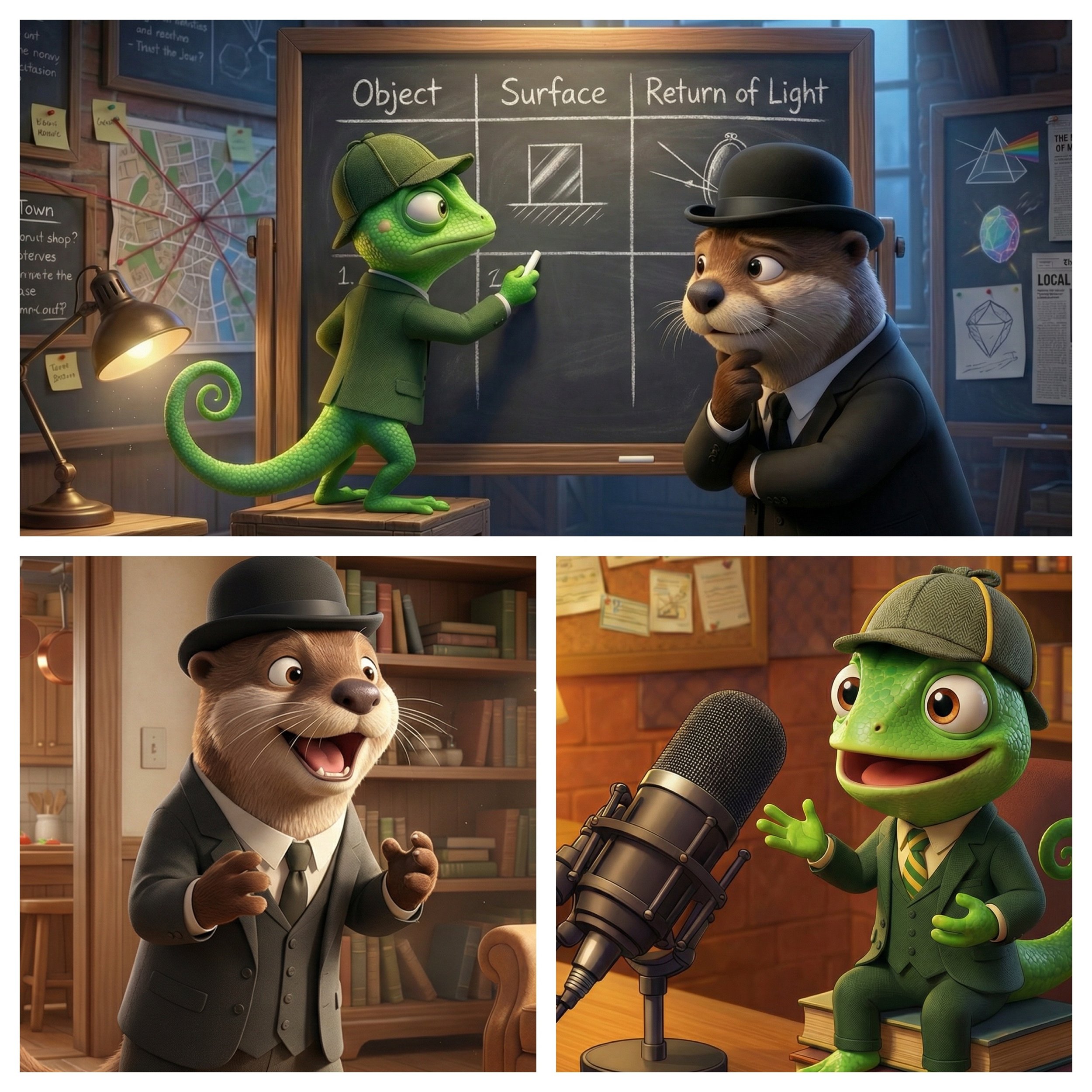
Meet Sherlock Cromes & Dr. Waterson: The Heart of Maple Glen
Sherlock Cromes and Dr. Waterson are an unlikely pair of detectives who spend their days untangling the curious happenings of their community. Sometimes, the mystery is as small as a misplaced blueberry pie or a set of muddy footprints winding through the park. Other times, things get a little more... peculiar. A statue that seems to change its pose when no one is looking, or a mysterious lantern glowing softly down at the docks.